
The Great Irish Emigration: Seeking Opportunities Abroad
Why millions of Irish people left Ireland for work, the struggles they faced abroad, and the legacy they built across the world.
IRISH HERITAGE & DIASPORA
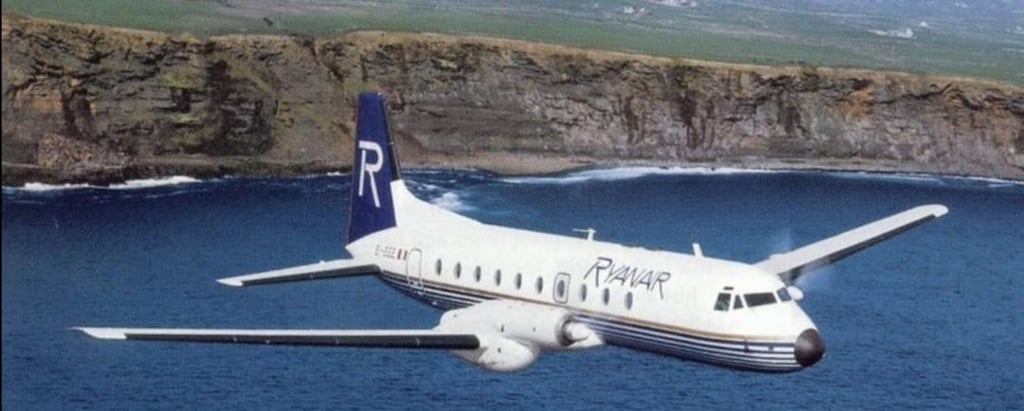

Introduction to Irish Emigration
Before we begin, I want to say a quick céad míle fáilte — a hundred thousand welcomes — to anyone reading this. If you’re Irish, have Irish roots, or simply feel a connection to Ireland, then this story will likely feel familiar. It’s a story shared by generations of Irish families, including my own, about leaving home, chasing opportunity, and never quite losing the pull of where you came from.
Throughout history, the story of Irish emigration is one filled with profound emotion, resilience, and a quest for betterment. Particularly during the economic struggles of the 1980s and early 1990s, many young Irish men and women, like you and me, found themselves facing a harsh and often unforgiving reality. With soaring unemployment rates and limited job opportunities, leaving Ireland for work became their only viable option. This post dives deep into the many reasons behind this significant wave of emigration, exploring how the Irish diaspora grew during this challenging time and how it reshaped the lives of those who ventured abroad.
The Economic Landscape of Ireland in the 1980s
The 1980s were a tumultuous and challenging decade for Ireland, marked by an economic downturn that gripped the nation and left many feeling disillusioned. High unemployment rates, rising inflation, and a stagnant economy created a social environment where hope was in short supply. Young people, full of potential, energy, and ambition, found that their dreams sometimes dissolved into thin air due to a lack of local opportunities. These dire economic conditions prompted an overwhelming number of Irish workers to seek employment abroad, leading to a significant outflow of talent and creativity from the country. The challenges faced during this period not only pushed individuals to leave but also had a lasting impact on Ireland itself and its economic policies over the ensuing years.
Where Did We Go?
As they set out to build better lives for themselves and their families, many Irish men and women bravely took their talents to various countries such as the United Kingdom, United States, Australia, and Canada—countries recognized for providing better job prospects and opportunities for growth. From roles in construction to nursing, hospitality, and various other trades, the demand for skilled Irish workers abroad was high. The strong presence of the Irish diaspora in these regions not only provided a familiar face in foreign lands but also made adapting to a new life much easier for the emigrants. They found solace in familiar accents and shared cultural experiences while forging ahead to support their families back home. This sense of community was crucial in easing the transition into these new environments.
The Legacy of Irish Workers Abroad
The impact of leaving Ireland for work extended beyond immediate economic necessity; it shaped the very fabric of Irish heritage and identity. Each emigrant became a vital thread woven into the global narrative of Irish immigrants' history. Even today, the stories of those who ventured abroad resonate deeply within Irish communities worldwide. They speak of bravery, adaptability, and the relentless pursuit of dreams even in the face of overwhelming hardship and adversity. The cultural exchange that occurred as a result of this emigration enriched not only the lives of those who left but also the societies they joined, creating a blend of cultures that continues to thrive.
Though many faced numerous challenges and obstacles as Irish immigrants abroad, their contributions to the economies of their new homes cannot be overstated. Irish workers brought with them a strong work ethic, a dedication to their trades, and a rich cultural heritage that infused vibrancy into their new environments. This profound connection not only nurtured their roots but also established a lasting legacy that continues to inspire generations. The intertwining of Irish culture with local customs led to the creation of new communities and traditions that celebrate the best of both worlds.
Conclusion
The mass emigration of the Irish during the 1980s and early 1990s was driven primarily by the urgent need for survival and success in a world that seemed increasingly indifferent to their struggles. It is a poignant chapter in the ongoing narrative of Irish emigration and resilience. Today, the stories of those who left in search of better opportunities serve as a powerful reminder of the enduring spirit of the Irish people, empowering both those who stayed and those who ventured forth in pursuit of dreams beyond the emerald isle. The lessons learned and experiences gained during these times of hardship continue to inform the identity of the Irish people and their descendants, ensuring that the legacy of immigration remains a vital and respected part of their history.
Go raibh míle maith agat,
Conor






Gaelic Generations
Wear Your Heritage. Carry Your Story ☘️
Contact
Newsletter
support@gaelicgenerations.com
Gaelic Generations ©2026. All rights reserved
Business Location: Rugby. CV22 7LZ
Independent Irish brand • Made-to-order products • Free tracked shipping • Customer support available.

