What Is Hurling? Rules, History and Irish Culture
What is hurling? Learn what hurling is, how it is played, its history, and why it remains one of Ireland’s most important cultural and sporting traditions, giving Irish diaspora another of the Island's greatest gifts to hold on to.
IRISH SPORT & GAA
Intro
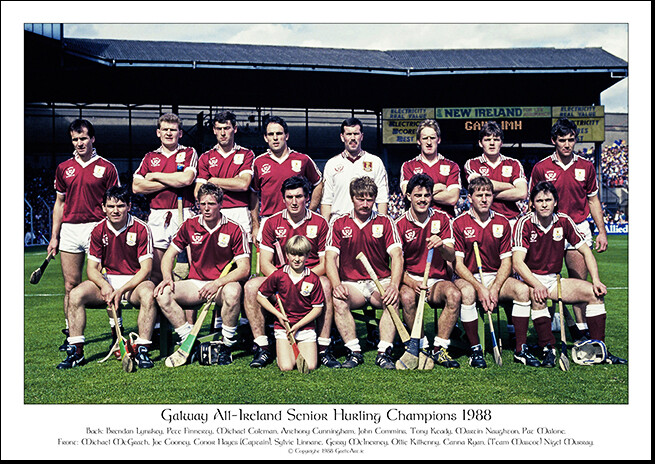
Hurling is a traditional Irish field sport played with a wooden stick (hurley) and a small ball (sliotar). Known as the fastest games on grass, it combines speed, skill, and physical intensity in a way that’s instantly recognisable but not always easy to understand at first glance.
For many, the first time watching hurling feels overwhelming. The pace is relentless, the ball moves quickly, and the action rarely pauses. But once you understand how it works, it becomes clear why hurling is more than just a sport in Ireland. It’s part of identity, community, and a way of life that has been carried forward for generations.
Quick answer
Hurling is an Irish team sport played with a hurley and sliotar, where players score by striking the ball over a crossbar for a point or into a net for a goal. It is one of Ireland’s oldest and most culturally important sports.
What Is Hurling?
Hurling is played between two teams of fifteen players, each aiming to outscore the other by sending the sliotar between goalposts. A shot over the bar earns one point, while a goal into the net is worth three.
While the objective is simple, the way the game is played is anything but. Players can strike the ball from the ground or the air, lift it onto the hurley, carry it briefly in the hand, or pass it at speed across the pitch. The result is a game that rarely slows down and demands constant awareness.
It’s often described as chaotic by newcomers, but there’s a structure to it that becomes clearer the more you watch.
How Is Hurling Played?
A standard senior match lasts 70 minutes, split into two halves. Each team lines out with a goalkeeper, defenders, midfielders, and forwards.
Players use the hurley to strike the sliotar, but they can also catch and carry it for a limited number of steps. Physical contact is part of the game, though controlled within defined rules.
What makes hurling stand out is its speed. The sliotar can travel at pace, and play can shift from one end of the field to the other in seconds. There are no long stoppages or resets. Once the game finds its rhythm, it tends to stay there.
What Equipment Is Used in Hurling?
Hurling equipment is simple but distinctive.
The hurley (or camán) is a flat wooden stick used to strike the ball. Each one is slightly different, often shaped to suit the player. The sliotar is a small, leather-covered ball designed for speed and control.
Players also wear helmets with faceguards, which are now mandatory at all levels. While the game remains physical, safety has evolved alongside it.
How Old Is Hurling?
Hurling is often said to date back over 3,000 years, with references appearing in Irish mythology and early historical accounts.
Stories of ancient warriors describe games similar to hurling being played long before modern rules existed. Over time, the sport developed into a more structured game, particularly after the founding of the GAA in 1884.
Despite that formalisation, hurling has retained its original character. It hasn’t been reinvented or diluted. It has simply been carried forward.
Why Hurling Matters in Irish Culture
To understand hurling properly, you have to look beyond the rules.
Because in Ireland, hurling is tied to place.
Players represent their local clubs, their towns, and their counties. The connection between team and community is direct. When a team plays, it carries the identity of the place behind it.
Matches aren’t just sporting events. They’re gatherings. Shared experiences that bring people together, whether they’re on the pitch or watching from the sidelines.
Even for those who have never played, hurling still feels familiar. It sits in the background of Irish life, part of the cultural landscape.
Hurling, the GAA, and Community Life
Hurling is governed by the Gaelic Athletic Association (GAA), which plays a central role in Irish sporting and cultural life.
The GAA is built on amateur principles. Even at the highest level, players are not paid. They play for their communities, not for contracts or transfers.
That connection shapes everything about the game. It keeps hurling grounded in local identity and ensures it remains part of everyday life, not just professional sport.
Hurling Around the World
Hurling hasn’t stayed within Ireland.
Through emigration and the Irish diaspora, the game has spread to countries like the UK, the United States, and Australia. Clubs abroad keep the sport alive, often becoming hubs for Irish communities.
For many people living outside Ireland, hurling becomes more than a game. It becomes a link back to where they come from.
For a more personal reflection on why hurling stays with people for life, read my piece on the Irish game that never leaves you. 👉
Frequently Asked Questions About Hurling
What is hurling?
A traditional Irish sport played with a hurley and sliotar, known for its speed and skill.
Is hurling the fastest field sport in the world?
It is widely considered one of the fastest games on grass due to the pace of play.
What is the difference between hurling and camogie?
Camogie is the women’s version of hurling, with similar rules and structure.
What equipment is used in hurling?
A hurley, sliotar, helmet, and protective gear.
Why is hurling important in Ireland?
It represents local identity, community pride, and cultural heritage.
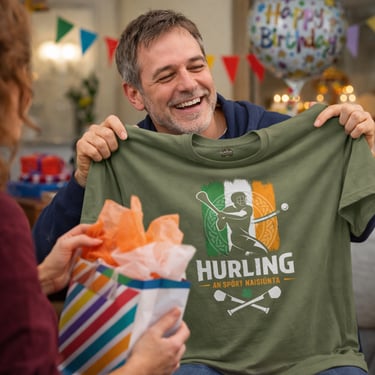
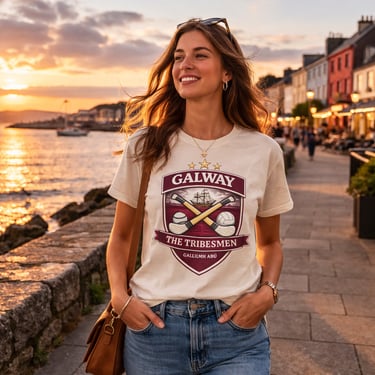
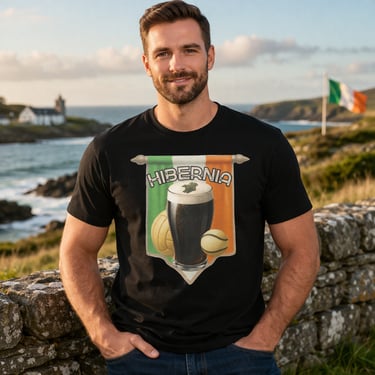
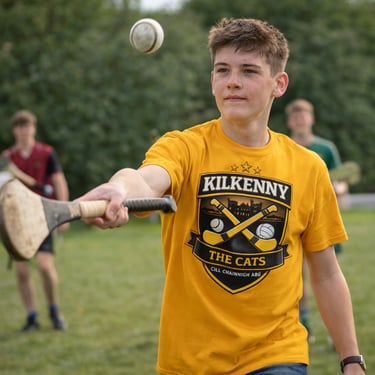
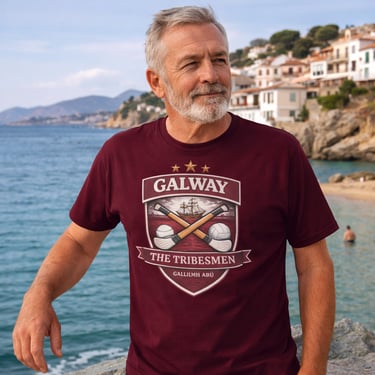
If hurling is part of your story, explore these Hurling Heritage T-Shirt and GAA-inspired Irish designs.
Slán go fóill,
Conor Dwyer
Founder, Gaelic Generations
Go raibh maith agat for reading
Gaelic Generations
Wear Your Heritage. Carry Your Story ☘️
Contact
Newsletter
support@gaelicgenerations.com
Gaelic Generations ©2026. All rights reserved
Business Location: 43 The Green, Rugby. CV22 7LZ
Independent Irish brand • Made-to-order products • Free tracked shipping • Customer support available.

